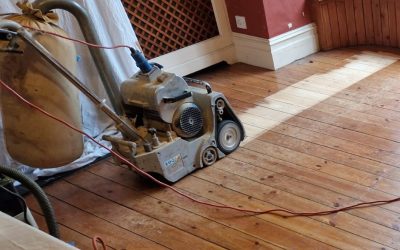

After investing in a professional floor restoration, the most common question we hear from homeowners in Wandsworth and across the UK is: “How do I keep it looking this good?” The answer lies in understanding the science of your floor’s finish and implementing a correct maintenance regime. Whether you have opted for the natural look of a hardwax oil or the resilient shield of a lacquer, aftercare is the key to protecting your timber investment.
Key Takeaways
- Cleaning: Never use generic supermarket floor cleaners; they are often too acidic and can strip the finish.
- Humidity: Aim for a stable indoor humidity of 40-60% to prevent timber shrinkage or expansion.
- Hardwax Oil: Requires periodic replenishment with a maintenance oil to keep the grain nourished.
- Lacquer: Offers superior liquid resistance but is harder to ‘spot repair’ than oiled floors.
The Problem: The Slow Erosion of Your Floor’s Finish
Every time you walk across your floor, micro-abrasives like dust and grit act like sandpaper, slowly wearing down the protective layer. In the UK, our damp climate also introduces moisture challenges. If the finish is compromised, water from wet coats or umbrellas can seep into the grain, causing ‘tannin pull’ in oak floors—unsightly dark blue or black stains caused by a reaction between water and the wood’s natural acids.
The Agitation: Why Incorrect Cleaning is Your Floor’s Worst Enemy
Many homeowners unintentionally damage their floors by using steam mops or excessive water. Steam forces moisture deep into the timber, causing ‘grain raising’ and weakening the bond of the lacquer. Synthetic ‘shiny’ cleaners can also leave a waxy residue that makes future refinishing impossible without a full, expensive sand-back. Without the right knowledge, a beautiful floor can look dull and patchy within just a few months.
The Solution: A Tailored Aftercare Strategy
At Floor Sanding Wandsworth, we believe that education is as important as the sanding itself. By following a manufacturer-approved maintenance schedule, you can extend the life of your floor by years.
Pro-Tip: Understanding Water Popping and Oil Penetration
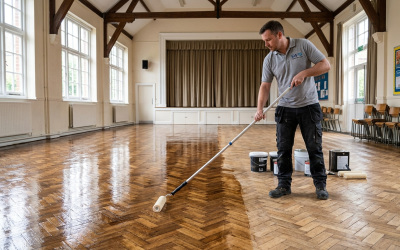
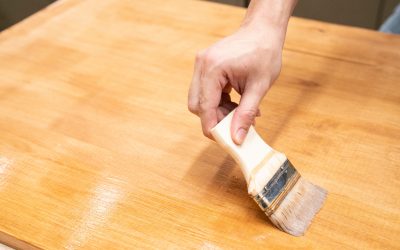
During our restoration process, we often use a technique called ‘water popping.’ This involves applying a fine mist of water to the bare wood before oiling. This ‘pops’ the grain, allowing the Osmo Hardwax Oil to penetrate deeper into the timber, resulting in a richer, more uniform colour. For aftercare, this means the wood is better protected from within, but it still requires the use of ph-neutral soaps like Osmo Wash and Care.
Hardwax Oil vs. Lacquer Maintenance
Your maintenance routine will differ significantly depending on your choice of floor finishing:
- Osmo Hardwax Oil: If you notice high-traffic areas becoming dull, you can apply Osmo Liquid Wax Cleaner. This nourishes the wood and restores the satin sheen without needing to sand. Pro-tip: Use Osmo 3032 for a classic satin look or 3062 for a contemporary matt finish.
- Bona Lacquer: For floors finished with Bona Traffic HD, use the Bona Spray Mop system. It provides a controlled amount of cleaner that evaporates quickly, preventing any moisture damage.
Professional Maintenance and Re-Oiling
Even with perfect home care, a floor may eventually need a professional ‘refresh.’ For oiled floors, this involves a deep clean and a fresh coat of maintenance oil. For lacquered floors, a ‘screen and seal’ can be performed every 3-5 years to add a fresh layer of protection before the original lacquer is worn through to the wood.
Read more about our story and our passion for timber preservation. If you are unsure which finish is right for your home, or if your floor needs a professional touch-up, contact us today for expert advice and a competitive quote.
Industry Resource: For further guidance on maintaining hardwood floors, refer to the Osmo UK resource centre.