
Key Takeaways
- Victorian pine restoration requires a specific grit sequence starting with 40-grit Zirconia.
- Resin gap filling is essential for draught exclusion and structural stability.
- Bona Traffic HD provides a durable, heritage-appropriate matte finish with rapid curing.
- Humidity control is vital for successful application in the UK climate.
The Problem: The Hidden Draughts of Victorian Timber
Owning a Victorian property in the UK is a privilege, yet the original timber floorboards often tell a story of neglect. Over a century of wear, settling, and previous crude repairs can leave your hallway looking tired, dark, and structurally unsound. The gaps between the boards are more than just an aesthetic issue; they are a source of persistent draughts, allowing heat to escape and pushing up your energy bills. Many homeowners attempt a DIY sand, only to find that the soft Victorian pine reacts poorly to standard sandpaper, leading to deep scratches and uneven surfaces.
The Agitation: Why Crude Sanding Destroys Heritage Floors
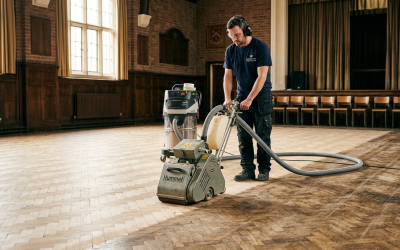
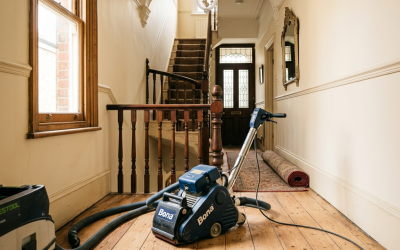
If you hire tradesmen who lack experience in heritage restoration, the results can be catastrophic. Using a drum sander without a professional dust extraction system like the Bona DCS (Dust Containment System) will saturate your home in fine particulates. Furthermore, pine is a resinous wood. Using the wrong grit sequence, such as starting too fine or jumping too many steps, leads to ‘burnished’ wood where the finish cannot penetrate correctly. Without professional gap filling, your newly sanded floor will remain cold, and the movement of the boards will eventually crack any brittle sealers applied over them.
The Solution: A Specialist Approach to Victorian Restoration
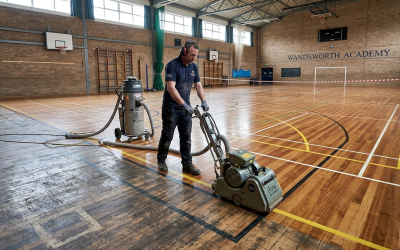
Our approach to Floor Sanding Wandsworth combines traditional craftsmanship with modern technology. We begin by securing any loose floorboards using discrete heritage fixings. The sanding process is where the technical precision begins.
Pro-Tip: The Grit Sequence for Victorian Pine
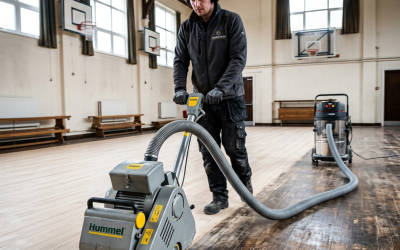
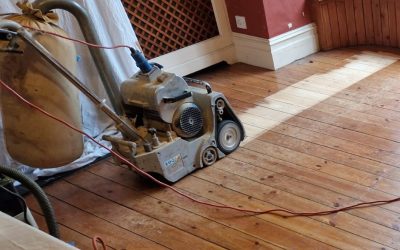
For uneven Victorian pine, we typically start with 40-grit Zirconia belts on our Lagler Hummel. This ensures we level the floor without removing excessive timber. The sequence must follow a strict path: 40, 60, 80, and finally 100 or 120 grit on the trio or buffing machine. Skipping a grit (e.g., going 40 to 80) is a common mistake that leaves visible scratches under a high-quality lacquer like Bona Traffic HD.
Gap Filling and Draught Exclusion
We use a resin-based gap filler mixed with the fine dust from the 80-grit sanding pass. This ensures a perfect colour match. For larger gaps, we use reclaimed pine ‘slivers’ to ensure structural integrity and a seamless look. This process eliminates draughts and provides that solid, high-end feel synonymous with luxury London renovations.
The Finish: Bona Traffic HD in UK Humidity
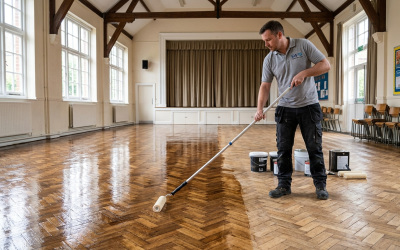
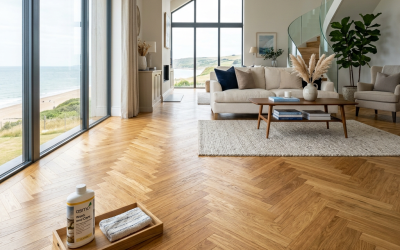
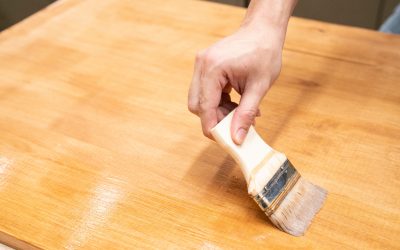
In the UK, humidity can vary significantly. When applying water-based lacquers, we monitor the moisture content of the wood and the room’s relative humidity. Bona Traffic HD is our gold standard. It requires three coats for maximum protection. The first coat acts as a primer to prevent tannin pull—where the natural oils in the wood discolour the finish. Curing times are typically 2-3 hours between coats, but the floor should not see heavy traffic for 24 hours to ensure the chemical bond is fully established.
Our clients often ask about VAT for restoration work; while standard rates apply, the investment in professional restoration significantly increases the property value. For more on our process, see our recent work on floor sanding in Wandsworth or explore our specialist wood floor repairs service.