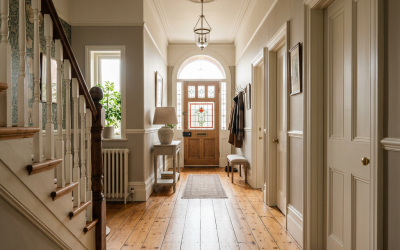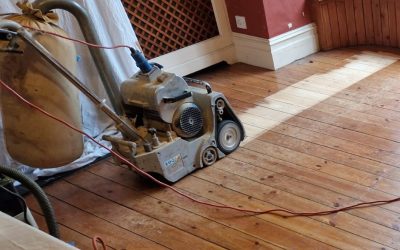

Victorian pine floorboards are a hallmark of British heritage architecture, yet many homeowners in London and across the UK find them hidden under years of grime, paint, or synthetic carpets. Restoring these timber treasures is a journey that requires precision, patience, and the right technical expertise to ensure the longevity of the floor.
Key Takeaways
- Grit Sequence: Always start with 40-grit Zirconia for uneven Victorian pine to remove heavy contamination.
- Gap Filling: Use a high-quality resin mixed with 80-grit or 100-grit sawdust for a seamless finish.
- The Finish: Bona Traffic HD is the industry standard for high-traffic areas, offering superior durability.
- Acclimatisation: Ensure the timber’s moisture content is stable before applying any finishes in UK humidity.
The Problem: The Hidden Potential of Contaminated Pine
Original Victorian floorboards are often found in a state of distress. Decades of footfall, improper maintenance, and the application of thick ‘bitumen’ paint around the edges of rooms (common in the late 19th century) leave the wood looking dull and dated. For many, the problem isn’t just aesthetic; draughts whistling through gaps between the floorboards can increase heating bills and compromise the comfort of your urban townhouse.
The Agitation: Why DIY Restoration Often Fails
It is tempting to hire a rental sander and attempt a weekend restoration. However, Victorian pine is relatively soft and extremely sensitive to heat and pressure. Inexperienced tradesmen or DIY enthusiasts often leave deep gouges, ‘chatter marks,’ or drum marks that are nearly impossible to rectify without significant timber loss. Furthermore, the dust generated by standard rental machines can penetrate every corner of your home, creating a health hazard and a monumental cleaning task that far outweighs the initial VAT savings of a DIY job.
The Solution: Specialist Floor Sanding and Heritage Restoration
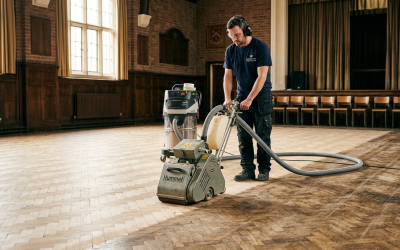
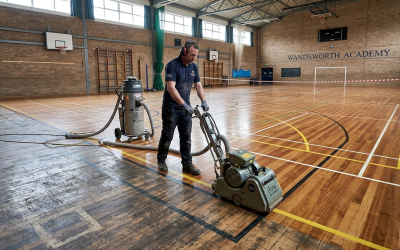
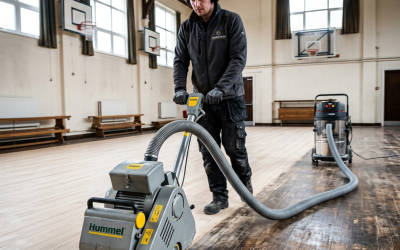
The professional approach to floor sanding involves a systematic grit sequence designed to respect the age of the wood while achieving a flawless surface. At Floor Sanding Wandsworth, we utilise the latest dust-free technology, such as the Bona Belt and the Lagler Hummel, ensuring that 99.9% of dust is captured at the source.
Pro-Tip: The Ultimate Grit Sequence for Victorian Pine
For uneven or heavily painted Victorian boards, we recommend the following sequence:
- Initial Cut: 40-grit Zirconia. This aggressive grit levels the boards and removes old finishes without clogging.
- Intermediate Sanding: 60-grit followed by 80-grit. This removes the scratches left by the previous pass.
- Fine Sanding: 100-grit or 120-grit using a multi-disc buffer like the Bona Flexisand for a furniture-grade finish.
Gap Filling: Eliminating Draughts and Squeaks
One of the most critical steps in a heritage restoration is gap filling. We typically use a high-performance resin, such as Bona Mix&Fill Plus, mixed with the fine dust collected during the 80-grit sanding pass. This ensures the colour match is perfect. For larger gaps (over 5mm), we often recommend ‘pine slivers’—tapered strips of reclaimed pine glued into the gaps—to provide a solid, structural repair that won’t crack or fall through over time.
Choosing the Right Finish: Water-Based vs Hardwax Oil
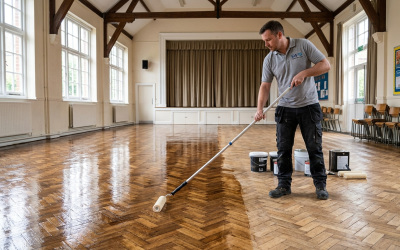
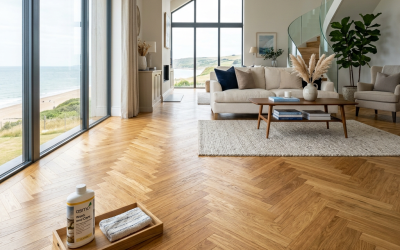
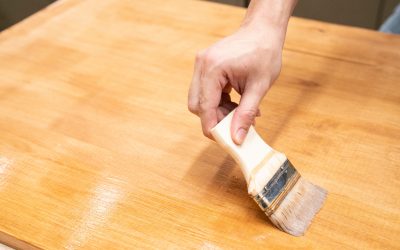
In the UK’s fluctuating humidity, the choice of finish is paramount. While hardwax oils like Osmo offer a natural feel, high-traffic Victorian hallways often benefit from a water-based lacquer like Bona Traffic HD. This finish is non-yellowing, preserving the natural pale beauty of the pine while providing a hard-wearing shield against moisture and abrasions.
For more information on our services, or to see examples of our previous heritage restoration projects, contact our expert team today. We offer competitive pricing and are fully VAT registered, providing a professional service you can trust.
External Resource: For technical standards on wood flooring, visit the National Wood Flooring Association (NWFA).